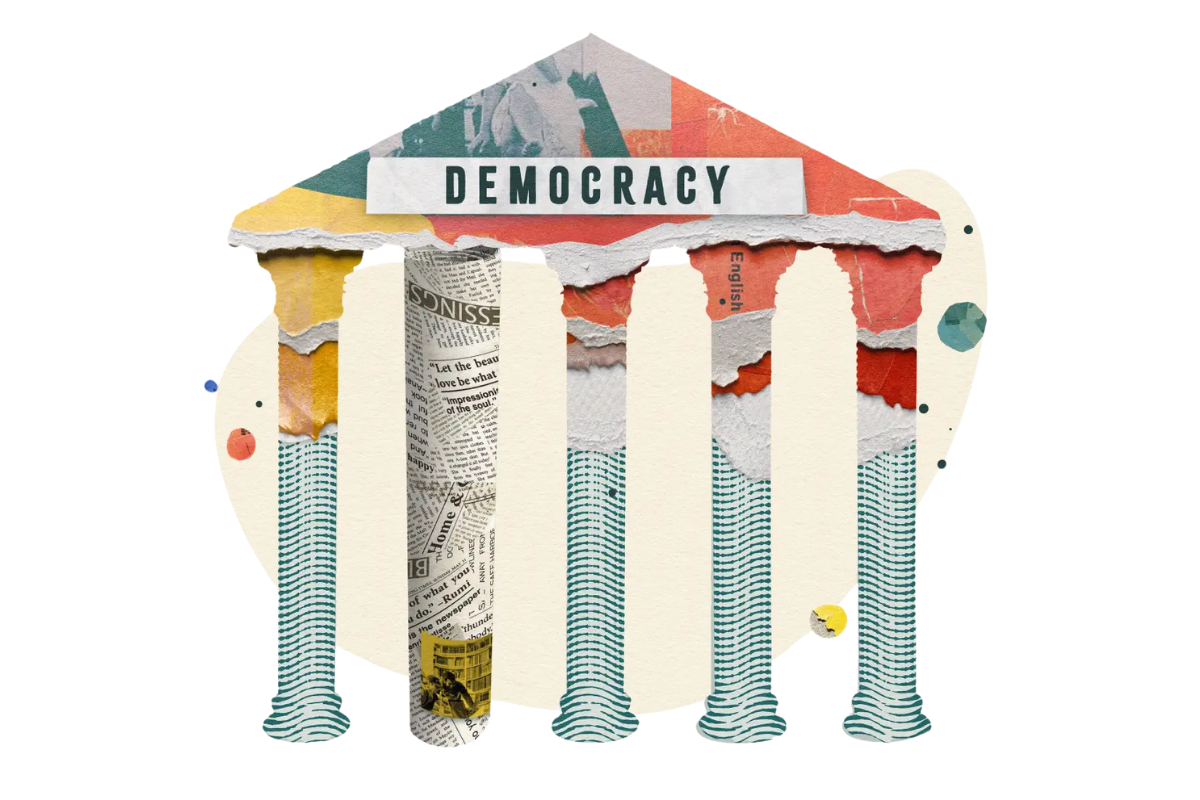
In 2023, Civitates embarked on a Strategy Refresh. We researched and consulted widely; we considered Europe’s changing political climate, its deepening polarisation and rising populism; and we reflected on lessons from our first five years of existence.
As part of this Strategic Refresh, we also re-assessed our grant-making priorities: it is vital that our support continues to be directed where it’s most needed and where it can have the greatest impact.
These are the key points our grantee partners, present and future, should know about these changes:
We are still committed to long-term core funding for our grantees.
One of Civitates’ great strengths is being able to provide flexible core support over a number of years to organisations working to protect and strengthen the key pillars of open democratic societies. That won’t change. Neither will we stop acting as an incubator for organisations who need support to consolidate their growth, and can’t yet secure larger institutional grants or funding from other philanthropic organisations. We will continue to support coalitions and networks of organisations, at national and pan-European level, which leverage the power of collective action.
We will, however, exit some organisations for the first time.
We’re doing so for a number of reasons.
For one thing, some of the organisations we’ve acted as an incubator for have now secured new, large grants, giving them greater financial stability. As they grow, the modest support we are currently able to offer them becomes less relevant, and can make a bigger impact if it’s directed towards supporting developing organisations.
For another, we’re a relatively small organisation with a limited funding pool of around €3 million a year, or €1 million for each of our sub-funds (Civic Power, Tech and Democracy and Media). If we continue working only with the same grantees, opportunities for other organisations to benefit from Civitates’ grants will be scarce.
The change in our grantmaking priorities is also a response to Europe’s changing political landscape.
Acting responsibly and exploring options for other support.
We’reworking hard to increase our grantmaking budget, but until that happens, we have to make difficult decisions. It’s important that we do so responsibly.
This means giving notice well ahead of time to the organisations we’re going to exit. It also means trying to find ways in which we can offer support when grants come to an end.
For instance, we are exploring starting an alumni network so that our former grantee partners remain part of the Civitates’ family, and can have privileged access to our gatherings and events. We are also exploring how former grantees can inform the grant selection process, as well as ways we can help highlight their work, and make small grants to help organisations with specific needs, such as leadership development, enhanced safety and security or well-being for their teams
We welcome any thoughts and suggestions our current grantee partners have on this.
New funding criteria reflecting Europe’s stark new realities.
Warning signs of democratic decline are emerging in EU member states where Civitates has no presence, and where our support is urgently needed.
Leaders with populist agendas are clamping down on civic space, fueling division in society and eroding democratic checks and balances. This is reflected in the criminalising of peaceful protest and growing media capture – just as the business model which has sustained independent journalism for generations is collapsing.
Independent, rigorous and factual journalism is essential to scrutinise, challenge and restrain power. Yet it receives very little philanthropic funding in Europe. We believe we can make a telling contribution in this area.
In Greece, for example, support for independent journalism is desperately needed. “Press freedom has suffered a systemic crisis” there since 2021, according to Reporters without Borders. There have been arson attacks on media offices; the state has used spyware to hack journalists’ phones; investigative reporters have faced vexatious lawsuits, known as SLAPPS; and a crime reporter was assassinated in broad daylight.
A different set of priority countries for each of our three sub-funds.
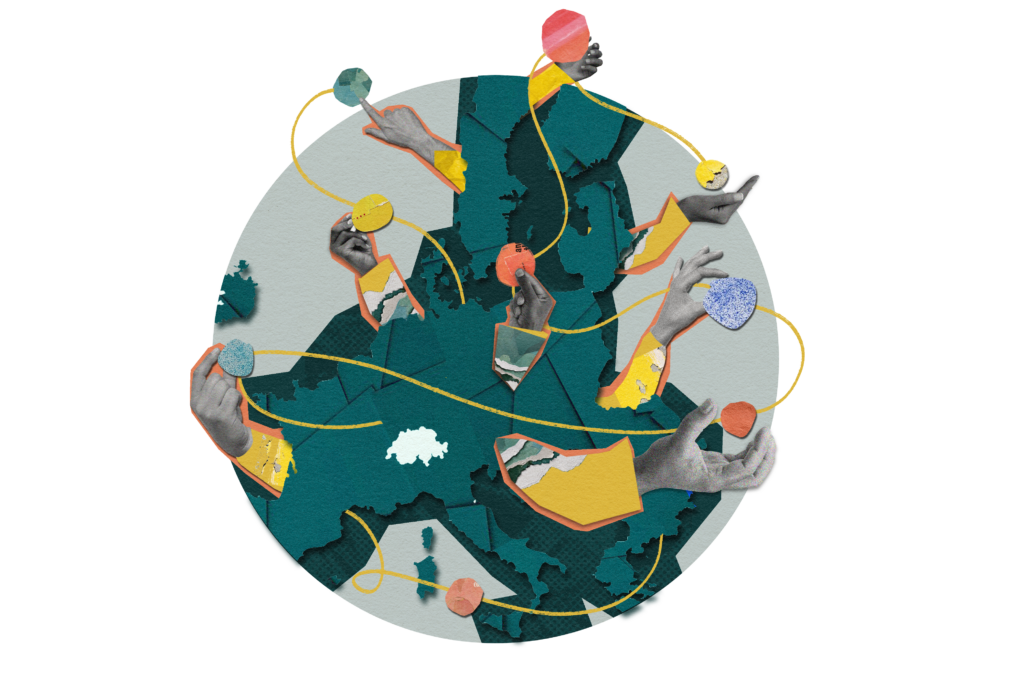
By extensively analysing the context, challenges and opportunities in different countries, we will identify those we consider a priority for each of our three sub-funds. Priority countries will be revisited in light of the political context there on a regular basis.
For instance, France and Austria have been identified as new priorities for this year’s call on Civic Power and we will make new grants there, along with grants in countries in which Civitates was previously active. For our Tech and Democracy sub-fund, France and Ireland will be key jurisdictions for the implementation of the Digital Services Act (DSA) and priority countries for our grantmaking, but we will continue to also provide support to organisations focused on the EU level. For our Media sub-fund, we identified Greece as a new priority country for the reasons outlined above. This doesn’t mean that we will stop funding media outlets in other countries.
A mix of open and invitation-only calls.
When Civitates was established in 2018, we led a series of open calls. Open calls in the philanthropic sector are generally seen as fairer and more progressive, especially for smaller civil society organisations who don’t have access to donors. So we want to keep opportunities open for new grantees to join Civitates in this way, especially in countries where we don’t yet have a track record.
Where we have calls for proposals by invitation only, it will be when we only have very limited funding for a limited number of grants and after extensive conversations with those working in the relevant field. It doesn’t make sense to have an open call if we can only award one or two grants.
Another change to our grantmaking process is that we won’t call for applications from everybody at the same time and award grants every two years, as we have been doing. The downside to this was that in these two years we couldn’t bring in new grantees.
Instead, we’re going to have groups of grantee partners (or “cohorts”) that start every year which will overlap with each other, still enabling them to connect, build relationships, and learn from each other. This will enable us to bring in new grantees more regularly and to be more responsive to evolving challenges and opportunities across Europe.
In addition to core grants, our Civic Power and Tech and Democracy sub-funds will reserve part of their budget for a number of smaller grants that will give organisations working in these fields leeway to take advantage of specific opportunities.
Where can organisations apply for grants?
Outside the calls for applications, we are trialling a new section on our revamped website (which will go live in early June) where organisations can express their interest in Civitates’ support. We hope that this will also help us discover new organisations who may not be on our radar, but will see how manageable this is, given the small size of the Civitates team.
Your feedback
We are keen for those we work with to help shape our reflections on how we have grown as a fund in the past five years, and we welcome your feedback as we shape our new grantmaking phase. Please reach out to secretariat@civitates-eu.org if you have comments or suggestions for improvement.
Listening and learning from each other is essential if we are to tackle the various forces bent on undermining democracy in Europe.
Read our new strategic framework here.