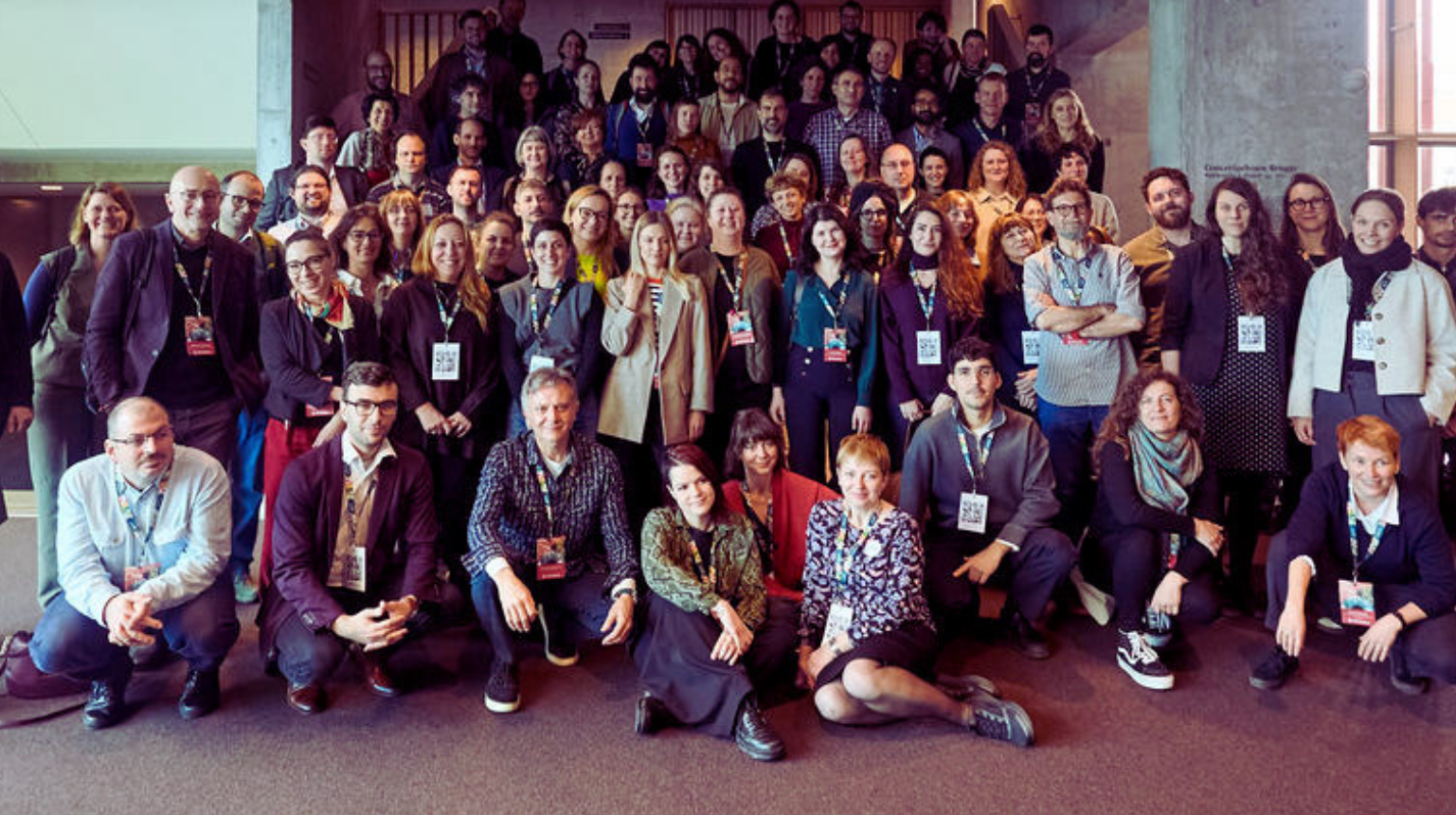
Civitates has published a new report capturing the insights, challenges and emerging strategies from the first-ever Civitates Forum — a gathering of civil society leaders and philanthropic partners working on the frontlines of democracy across Europe.
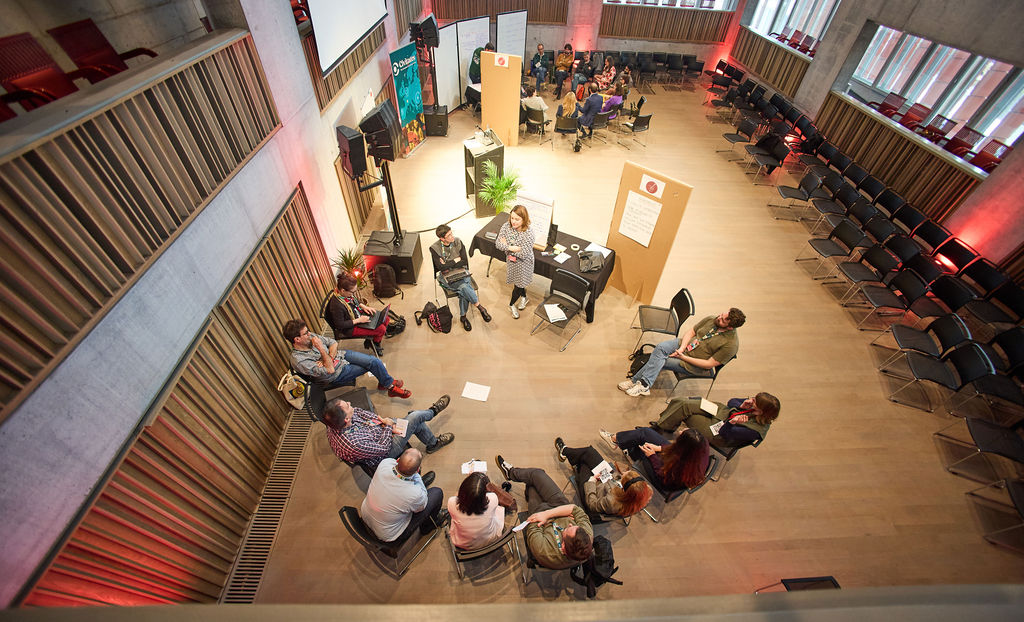
Held in Bruges in March 2026, the Forum brought together 150 participants from over 90 organisations and 30 foundations. The report aims to both outline what took place,and to capture the key insights and observations generated across the three days. It offers a window into how those defending democracy are making sense of a rapidly changing landscape — and what it will take to respond effectively in the years ahead.
Learning from those on the frontlines
The discussions revealed a shared reality emerged across Europe: civic space is shrinking, political and digital threats are intensifying, and financial pressures are growing. Yet so too is the resilience of civil society.
Participants highlighted the importance of new alliances, more creative ways of engaging the public, and a shift towards more citizen-centred approaches to impact. At the same time, difficult questions surfaced about sustainability, priorities, and how to balance values with the realities of operating in increasingly constrained environments.
Looking ahead together
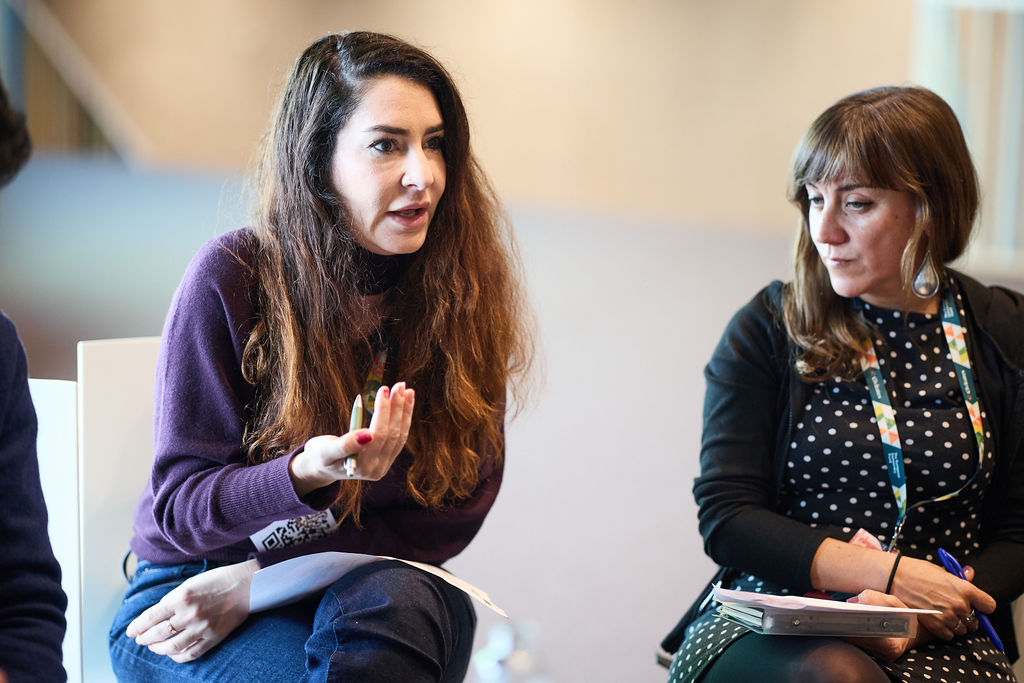
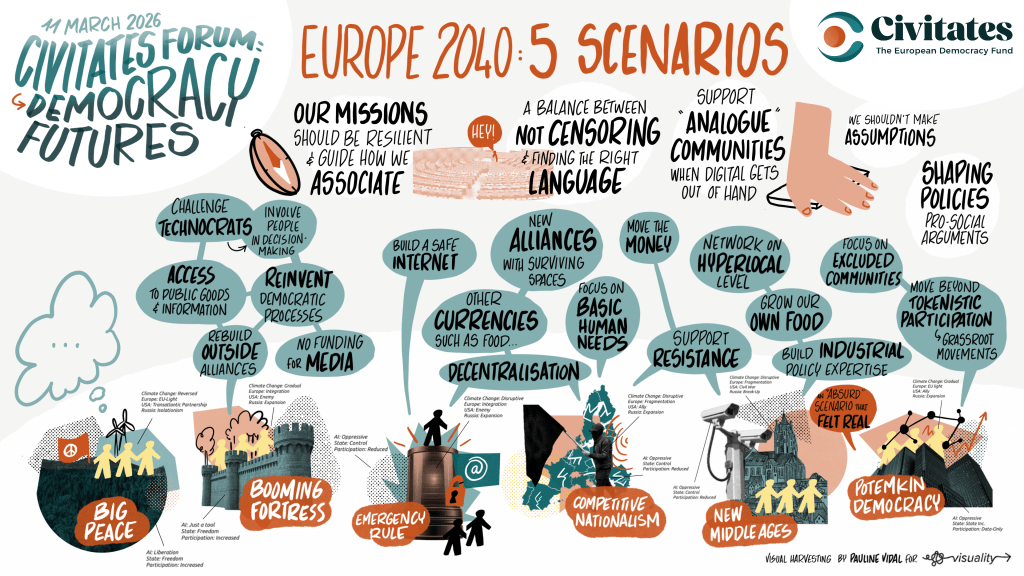
Through a collective foresight exercise, participants explored how democracy in Europe might evolve over the next 15 years — including more challenging and fragmented futures.
The message was clear: civil society and philanthropy must become more agile, more collaborative, and more willing to rethink existing models. This includes investing in grassroots organising, strengthening transnational solidarity, and preparing for scenarios where traditional structures and funding mechanisms may no longer hold.
What will it take to sustain the work ahead?
The report underscores the need for more flexible, long-term funding, deeper partnerships between funders and grantees, and a renewed effort to articulate a compelling vision for democracy.
It also highlights something less tangible but equally important: the role of solidarity, trust, and shared purpose in sustaining those working under pressure.